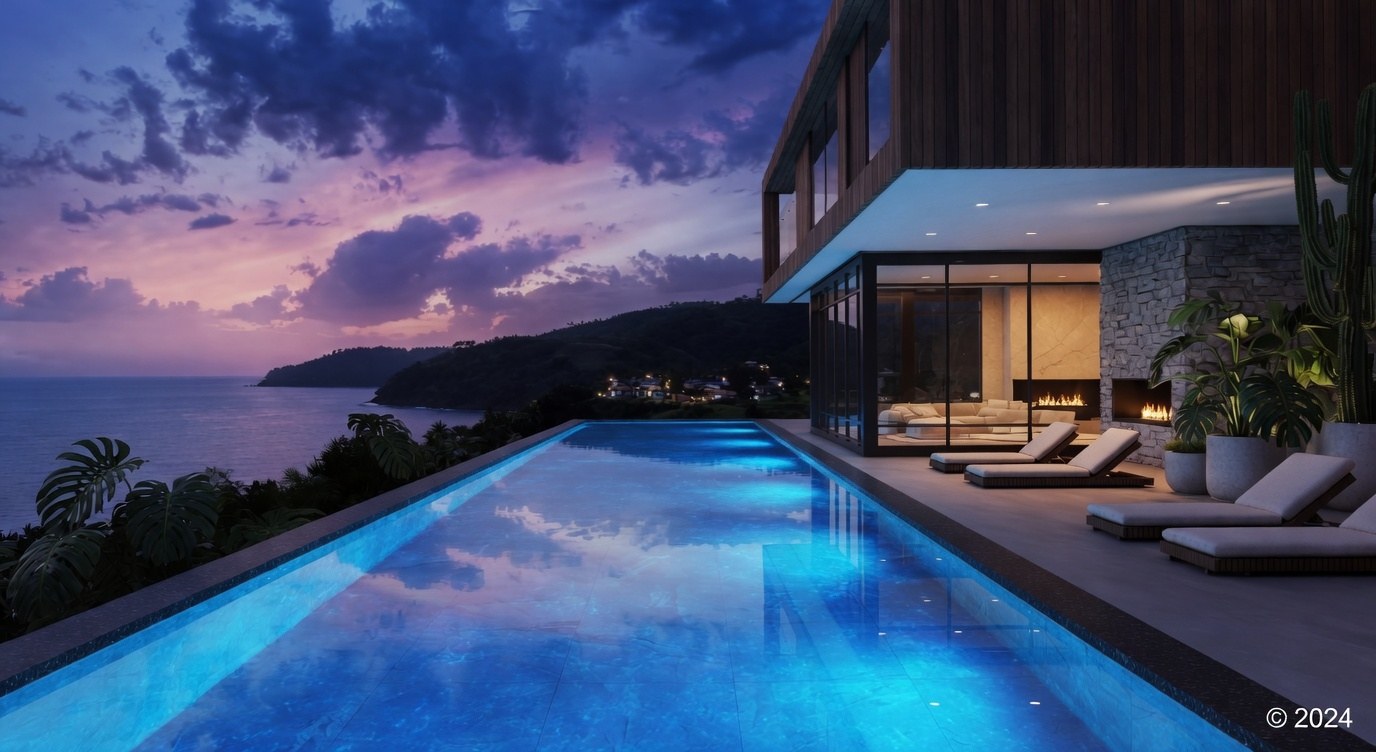
Marketing a Luxury Property: What Most Agencies Get Wrong
When a five-star resort walks into a digital marketing agency, something predictable happens. The account manager presents a deck of "solutions" that would work equally well for a SaaS startup or a mid-market e-commerce brand. Better photos. More social posts. Paid search campaigns built around keyword volume instead of buyer intent. Six months later, the resort owner is frustrated. The bookings didn't move. The brand felt cheapened. And somewhere along the way, marketing became about volume instead of value.
The problem isn't that these agencies are bad. They're just not hospitality-native. They don't understand that a luxury property operates in an entirely different universe than most businesses. And that difference doesn't just change the tactics. It changes everything.
What Makes Luxury Hospitality Marketing Different?
Luxury hospitality marketing exists at the intersection of aspirational branding and direct conversion. It's not about getting your property in front of as many people as possible. It's about reaching the right people, at the right moment in their decision journey, with a narrative that justifies the premium you're charging.
The buyer journey is longer. The stakes are higher. Trust is everything. And the definition of "success" isn't a click or a form submission. It's a booking that sticks, a guest who returns, and reviews that actually influence future decisions. These aren't minor differences. They're fundamental. And they require a fundamentally different marketing approach.
Why Generic Digital Marketing Fails for Luxury
The Buyer Journey Is Longer
A corporate travel booker might search for hotels on Sunday and book by Tuesday. A couple planning their anniversary trip researches for weeks. A family booking a destination wedding event might be in the consideration phase for months. The decision cycle is measured in weeks, not days. Most agencies optimize for speed. Luxury hospitality requires patience and sustained presence.
Aspiration Matters More Than Conversion Metrics
A standard digital marketing funnel treats everyone the same: awareness, consideration, conversion. But luxury properties have a different priority. You're not competing on price. You're competing on the emotional value of the experience. A guest needs to feel like staying at your property is something worth the investment. That requires content and positioning that builds aspiration first and conversion second.
Brand Equity Is the Real Asset
A discount campaign might drive bookings in the short term. It will also devalue your brand. Luxury properties live or die on perception. Every touchpoint, from the website copy to the review response strategy, either reinforces or undermines your positioning. Generic agencies don't think this way. They optimize for metrics. Hospitality-native marketers optimize for brand strength.
The Offline Experience Drives Online Reputation
Unlike most businesses, hospitality marketing can't end at conversion. The booking is the beginning. The actual stay determines your online reputation, which determines your future bookings. Most agencies hand off after the sale. Hospitality-native marketers understand that the marketing job includes managing the post-stay experience and the reviews that follow.
The Five Mistakes Agencies Make With Luxury Properties
Mistake 1: Discount-Driven Campaigns That Cheapen the Brand
Last-minute deals. Flash sales. "Book now, pay later" promotions. These tactics work for commodity products. They destroy luxury positioning. A high-net-worth traveler doesn't need a discount. They need a reason to choose your property over others. Agencies that default to discounting aren't being lazy. They're just applying playbooks that worked elsewhere. But in luxury hospitality, a discount campaign is brand damage. It signals that your property is struggling. That's the opposite of the premium positioning you need.
Mistake 2: Wrong Platforms
Your ideal guest isn't necessarily on TikTok. They might be reading the Wall Street Journal. They might be following luxury travel accounts on Instagram, but not because they discovered them organically. They followed after seeing the property mentioned in a premium publication. Generic agencies cast a wide net. Luxury hospitality requires surgical precision in platform selection. That means understanding where your specific audience congregates and what message resonates there.
Mistake 3: Generic Content
Stock photos of pools and sunsets. Templated blog posts about "travel tips." Social content that could describe any property. This is the lazy baseline in hospitality marketing. Your property has a unique story, unique design, unique service philosophy. That story needs to be told in a way that only you can tell it. Generic content doesn't build brand equity. It creates noise.
Mistake 4: Ignoring the Offline-to-Online Journey
A guest's decision to book a luxury property often starts offline. A recommendation from a friend. A mention in a magazine. A conversation at a dinner party. Most digital marketing agencies focus only on the online journey. But luxury hospitality marketing has to account for the fact that someone might land on your website already half-convinced. They're searching for confirmation, not education. That changes how you position content and what you prioritize in the user experience.
Mistake 5: Treating All Properties the Same
A beachfront resort marketing strategy doesn't work for a mountain lodge. A wedding venue needs different positioning than a corporate retreat center. An urban luxury hotel has different seasonality than a destination property. Generic agencies apply standard templates. Hospitality-native marketers understand that luxury is personal. Your strategy should reflect your property's unique identity, not a one-size-fits-all playbook.
What Hospitality-Native Marketing Actually Looks Like
Understanding Seasonality and Rate Strategy
Your marketing calendar should align with your revenue management strategy. Peak seasons require different messaging than shoulder seasons. If you're running a promotional campaign when you don't need one, you're damaging margins. If you're raising rates without building brand equity to justify it, you'll lose bookings. Hospitality-native marketing means your marketing team and revenue team are talking to each other. The messaging, the campaigns, the content calendar all serve the business model, not just the organic reach metrics.
Experience-Led Content
Instead of generic destination content, luxury hospitality marketing showcases the actual experience of staying at your property. Video walkthroughs that feel authentic. Guest testimonials that highlight specific moments. Behind-the-scenes content that builds connection with staff and service philosophy. Content that answers the real question guests are asking: "Will this be worth the investment?" Authentic experience-led content answers that question better than any promotional copy.
Review Management Specific to Hospitality
Online reviews aren't just reputation management. They're part of your marketing asset base. A property with 100 five-star reviews is a different marketing asset than one with 40. Managing reviews means not just responding to negative feedback, but actively encouraging guests to share their experience. It means treating reviews as a conversion tool, not just a reputation metric. Hospitality-native marketers understand this deeply. Read more about this in our guide to online reputation management for hospitality.
Pre-Launch Strategy
If you're opening a new property or launching a renovation, your marketing should start months before you open the doors. Building anticipation. Creating a waitlist. Generating media buzz. Getting in front of travel influencers before your competitors do. Pre-launch marketing sets the trajectory for everything that follows. Most agencies miss this entirely.
The Role of AI in Luxury Hospitality Marketing
Artificial intelligence is changing marketing fundamentally. In luxury hospitality, AI can be a powerful tool. Predictive analytics can help identify high-net-worth audiences most likely to book your property. AI can help optimize ad spend and targeting. Content generation tools can help maintain a steady stream of website copy and social media content that meets your brand standard.
But here's where hospitality-native marketing diverges: AI is most valuable when it's augmenting human creativity, not replacing it. Your brand voice, your unique positioning, your understanding of your property's story—these need human creative direction. An AI tool that generates thirty social media captions is useful. An AI tool that generates captions without a hospitality marketer reviewing them for brand fit and guest appeal is dangerous. Learn more about balancing AI with human creativity in our article on AI-powered marketing in 2026.
How to Choose an Agency for Luxury Hospitality
If you're evaluating marketing partners, here's what to look for:
- Hospitality-specific experience. Have they worked with luxury properties before? Can they speak intelligently about seasonality, revenue management, and guest journey optimization? Generic agency experience isn't enough.
- A perspective on brand positioning. Do they understand that discounting damages luxury positioning? Can they articulate a strategy that builds brand equity first? Or do they default to volume-based thinking?
- Integration with your existing team. Hospitality marketing doesn't work in a silo. The agency needs to collaborate with your revenue team, your guest services team, and your operations team. Are they willing to do that?
- A content-first mentality. Do they lead with strategy and content, or do they immediately jump to paid media? Luxury hospitality marketing needs strong organic foundations.
- A focus on quality metrics, not just volume metrics. Do they measure success by bookings and guest satisfaction, or just clicks and impressions? The former shows they understand hospitality. The latter shows they don't.
For a deeper dive on this topic, check out our guide to choosing the right marketing agency for your business.
You might also want to explore our hospitality-specific marketing services to see how a hospitality-native approach differs from generic digital marketing.
FAQ: Luxury Hospitality Marketing
How long does it take to see results from hospitality marketing?
It depends on your starting point and your market. If you're launching a new property or repositioning an existing one, you should expect meaningful traction within 6-8 months. If you're optimizing an already-strong property, you might see booking upticks within 12-16 weeks. The worst timeline is when you try to force results through discounting. That creates immediate bookings but damages long-term brand equity. The best timeline is when you build brand strength and let that drive sustained bookings over time.
Should luxury properties be on every social platform?
No. A luxury property should have a strong presence on the platforms where your guests actually spend time, with content that actually reflects your brand. For most luxury properties, that means Instagram and potentially TikTok. It might include LinkedIn if you're targeting corporate events. It almost never means being on every platform with generic content. Quality of presence beats quantity every time.
How important are online reviews for luxury hotels?
Critical. Reviews are often the final decision trigger for luxury travelers. A property with 4.8-star reviews and 200 recent reviews has a massive competitive advantage over one with 4.5 stars and 50 reviews. Reviews signal quality and consistency. For luxury properties, reviews aren't just nice to have. They're a core marketing asset. This is why reputation management is so important in hospitality.
Is social media marketing as important as SEO for luxury properties?
They're both important, but in different ways. SEO drives the long-tail, intent-driven searches. Someone looking for "luxury resorts in Scottsdale" is probably further along in their decision journey. Social media builds brand awareness and aspiration. Someone seeing your property on Instagram might not book for six months, but they're building affinity. The best luxury hospitality marketing strategies balance both, with a slight emphasis on SEO for driving actual bookings and social for building brand presence.